

In its shortest possible form, the Concluding Rites of the Mass comprise thirty-one words, and takes place with minimal fuss or additions to those few words. Unlike other parts of the Mass, this part is short, sharp and very much to the point.
And that’s not because this last part of Mass is somehow unimportant. On the contrary, this part of the Mass propels the gathered Assembly, who have been nourished by Word and Sacrament, out into the world to be about the work of the Gospel!
Indeed, the very name of what is concluded, the ‘Mass’, has its origin in the Latin phrase “Ite missa est” that dismisses the Assembly at the end of the liturgical celebration in the original Latin language edition of the ritual books.
Everything that has taken place from the moment the Assembly gathered, finds its conclusion in it being sent out, dismissed back into the world.
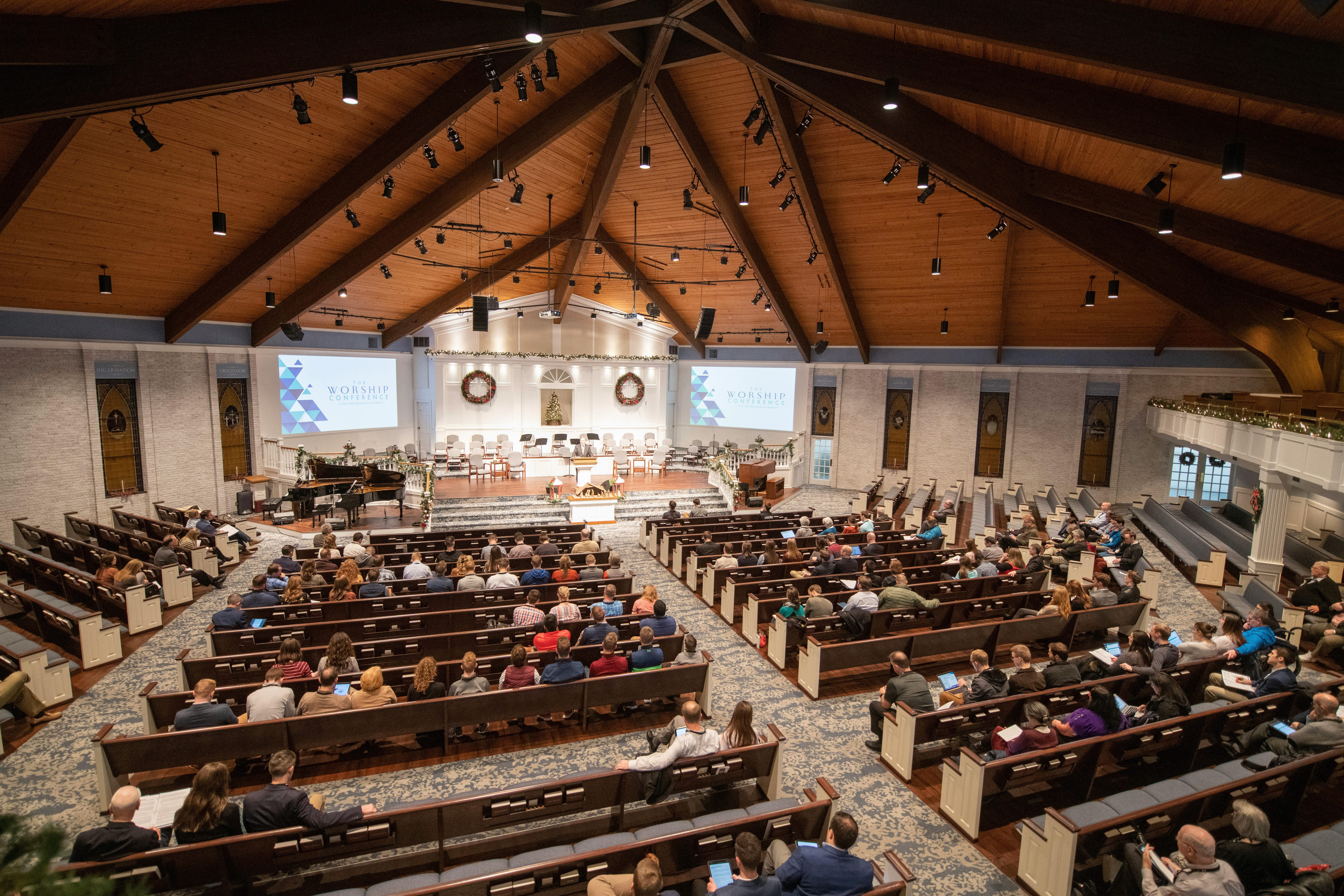
The Concluding Rites, then, is not some mere unfinished ending; it reminds us of what comes next.
It is generally surprising to many people that unlike the other parts of the Mass, which the General Instruction of the Roman Missal covers across numerous paragraphs and in some detail, the Concluding Rites are dealt with in just one, n.90:
To the Concluding Rites belong the following:
a) brief announcements, should they be necessary;
b) the [Presider]’s Greeting and Blessing, which on certain days and occasions is expanded and expressed by the Prayer over the People or another more solemn formula;
c) the Dismissal of the People by the Deacon or the [Presider], so that each may go back to doing good works, praising and blessing God;
d) the kissing of the altar by the [Presider] and the Deacon, followed by a profound bow to the Altar by the [Presider], the Deacon, and the other ministers.
That’s all there is.
And that short paragraph has much to offer in our understanding of both the Mass as a whole and the Concluding Rites as a distinct unit. And we will continue our exploration next week in Part 2.
To be continued…